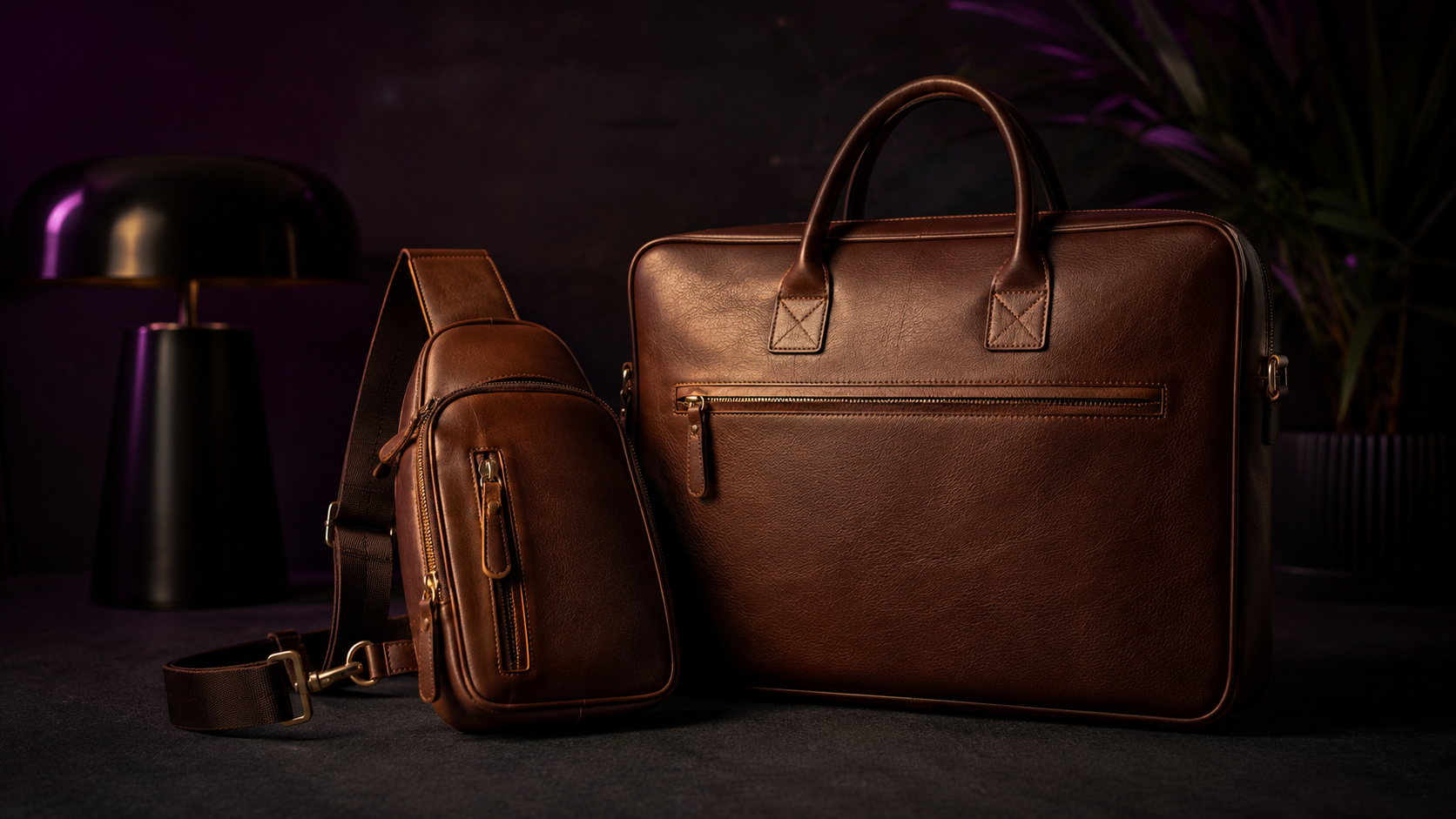
When GWETHBTL Leather came to us, the brief was simple to state and harder to execute: a website that could sell handcrafted leather goods - including the Asili Sling Bag and Jabali Laptop Bag - to customers who mostly browse and buy on their phones.
We built the site on Next.js for speed and SEO, with Sanity CMS behind it so the client could update products, prices, and content without touching code. That separation matters more than it sounds - most small Kenyan businesses inherit a website they can't update, and within six months it's stale.
Two decisions shaped the build. First, Kenya-specific legal pages - terms, returns, privacy - written for how commerce actually works locally, not copy-pasted from a US template. Second, a WhatsApp floating button on every page, because that's genuinely how Kenyan customers prefer to ask a question before buying, not a contact form that goes into a black hole.
The result is a website the client runs independently, built around how their actual customers shop.
Keep reading
Related notes
Sanity vs WordPress for Kenyan E-commerce Websites
Why we default to Sanity CMS over WordPress for e-commerce builds in the Kenyan market - speed, cost, and who actually maintains the site.

What Blockchain Integration Actually Costs (and Takes) for a Kenyan Business
A realistic breakdown of what it takes to add blockchain or Web3 features to a business - timeline, cost drivers, and what's actually worth building.
Need help building something similar?
Send a brief and we will reply with scope, timeline, and the right next step.